The flow of goods from China to the UK is steadily increasing, but shipping from China to the UK remains a complex process. Freight forwarding over such vast distances demands careful planning, precise execution, and dependable logistics solutions. Businesses aiming to balance costs and predictable delivery times often weigh air freight against sea freight, seeking the right trade-off between speed and budget.
Understanding freight forwarding processes
Freight forwarding is the coordination and management of cargo from its origin to the final destination. Effective freight forwarders act as intermediaries, handling transportation, customs clearance, and all necessary documentation at each stage. This role is particularly vital when shipping from China to the UK, where differences in language, regulations, and logistics can create unexpected challenges.
Also to discover : What are the implications of UK trade agreements on local industries?
For many companies, working with an experienced freight forwarder helps navigate these complexities. It allows them to focus on core activities, knowing their goods will arrive safely and on schedule.
Main modes of transport: which option suits your needs?
Selecting the appropriate mode of transport largely determines how quickly and affordably your products arrive. Air freight and sea freight each offer distinct advantages, catering to different priorities and types of cargo. If you’re looking for specialized services for Freight Forwarding from China to the UK, there are dedicated providers that can support every aspect of your shipment.
Have you seen this : Ensuring safety through fire damper testing: procedures, code requirements, and best practices
Both methods require attention to packing, timing, and cost structure. Aligning your choice with your business needs is essential for successful freight forwarding.
What are the benefits of air freight?
Air freight provides rapid transit and high reliability, making it ideal for urgent deliveries, small quantities, or valuable items. Shipments typically reach their destinations within days, so this method is suitable when speed matters most. Major airports in China and the UK support frequent schedules, ensuring timely and secure cargo movement.
However, air freight rates are generally higher, and there are stricter weight and size restrictions. Bulky or very heavy shipments may not be suitable unless fast delivery times are critical. For some businesses, benefits like faster restocking, reduced inventory costs, or quick access to dynamic markets justify the premium price.
How does sea freight compare to air freight?
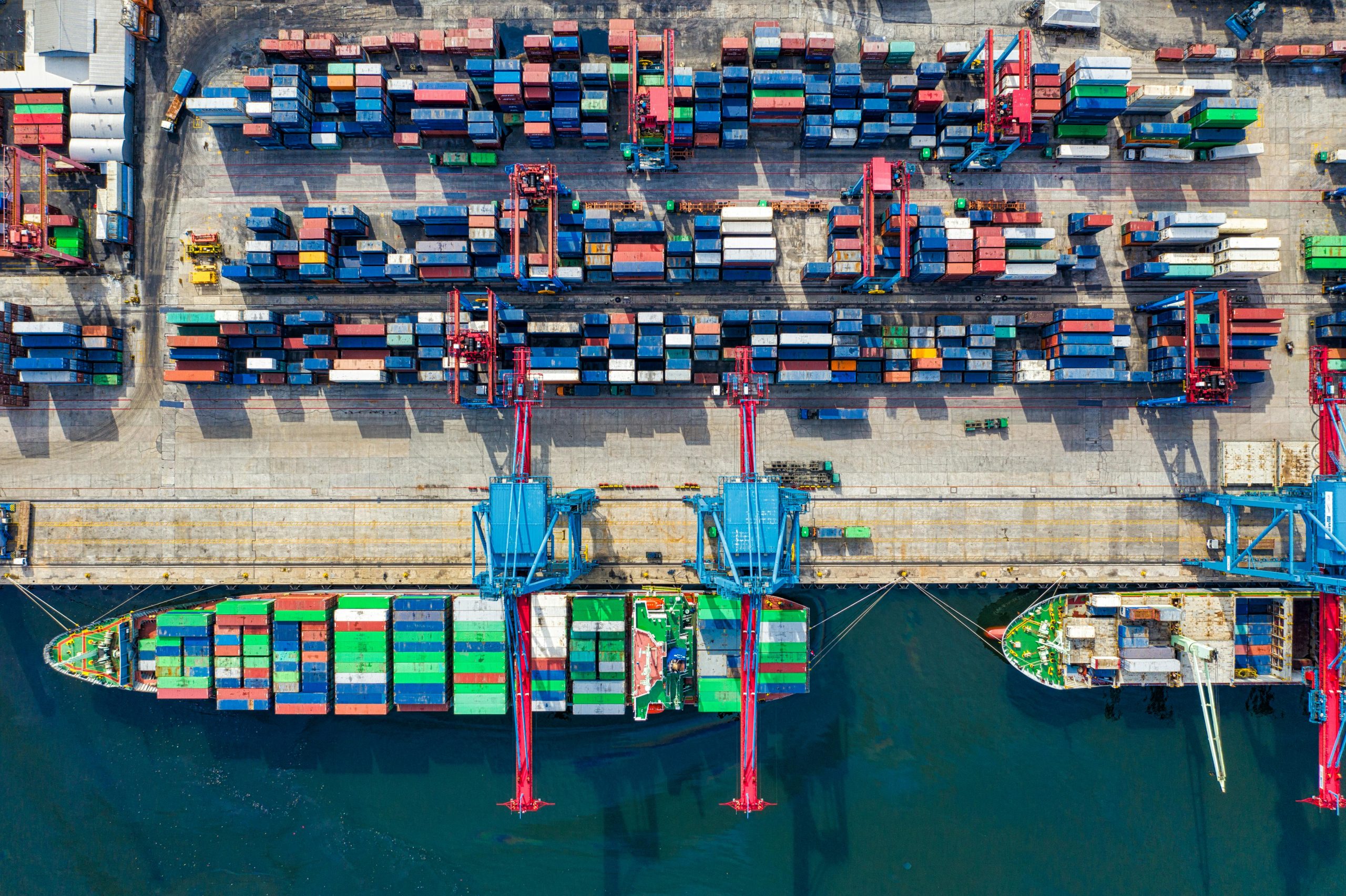
Sea freight is the backbone of global trade, valued for its capacity and lower shipping rates per unit. Shipping lines offer both LCL (less than container load) and FCL (full container load) options, providing flexibility for varying order sizes. Although sea transport takes longer—typically four to six weeks—it becomes far more economical as shipment volumes grow.
LCL is ideal for businesses sharing container space with others, while FCL offers better value per unit if you can fill a container. Sea freight is best suited for those who can plan ahead and want to minimize transportation costs. Many providers also bundle services such as door-to-door delivery, tracking, and storage, simplifying the overall supply chain.
Key factors impacting shipping from China to UK
Each phase of shipping from China to UK brings specific challenges. Understanding shipping rates, delivery times, and regulatory requirements is crucial for accurate planning and budgeting.
Several variables affect the experience and outcome. Importers should stay aware of common pitfalls, possible delays, and available value-added services to optimize their logistics strategy.
How do shipping rates and delivery times vary?
Shipping rates depend on cargo type, weight, shipping route, and urgency. Air freight commands a premium due to speed, while sea freight is more cost-effective for large or less time-sensitive consignments. Peak seasons such as Chinese New Year or major holidays can increase prices and extend delivery times.
Delivery times also fluctuate. Air freight usually takes 3–7 days from airport to airport, while door-to-door sea freight can range from 30–45 days depending on port congestion, customs checks, and inland transport arrangements.
- ✈️ Air freight: 3–7 days (airport-to-airport)
- 🚢 Sea freight (FCL): 28–40 days
- 📦 LCL: 35–50 days (includes consolidation/deconsolidation)
- 💸 Seasonal surcharges can impact final shipping rates
What challenges arise with customs clearance?
Customs clearance is a key step for imports into the UK from China. Essential paperwork includes bills of lading, commercial invoices, packing lists, and sometimes conformity certificates. Mistakes or missing documents can cause delays, fines, or even the return of goods.
Staying compliant reduces risk and speeds up property transfer. Dependable freight forwarders help ensure correct classification, tax calculation, and application of duties according to current UK rules, smoothing the entire process.
| 📋 Document | 🇬🇧 UK requirement |
|---|---|
| Bill of lading | Mandatory for all seaborne freight |
| Commercial invoice | Details value for customs assessment |
| Packing list | Required for inspection/classification |
| Certificate of origin | Used to claim tariff reductions |
Choosing logistics solutions for optimal results
Your choice of partners and logistics solutions has a direct impact on efficiency. From first-mile pick-up in China to last-mile delivery in the UK, providers can offer bundled or customized services that fit your operations.
The most effective logistics strategies adjust to changes in market demand, supply chain conditions, and legal frameworks. Technology-driven solutions now offer end-to-end visibility and greater responsiveness in freight forwarding.
- 🔍 Real-time shipment tracking increases transparency
- 🤝 Integrated compliance support simplifies paperwork
- 🏠 Door-to-door service minimizes handover risks
- 🗂 Inventory management tools improve stock control
Some companies prefer to manage each stage independently for tighter control or potential savings, while others choose comprehensive packages covering everything from supplier pickup to delivered duty paid (DDP) terms in the UK.
Frequently asked questions about freight forwarding from China to the UK
What are the main differences between LCL and FCL shipping?
LCL (less than container load) involves combining several shipments from different shippers in one container, while FCL (full container load) means your cargo fills an entire container. FCL is usually faster and cheaper per unit for large shipments, whereas LCL offers flexibility for smaller orders.
- 📦 LCL: Shared container space, suitable for smaller loads
- 🚚 FCL: Whole container dedicated to one shipper, faster handling
| Mode | 👥 Who benefits? | ⏱ Speed |
|---|---|---|
| LCL | Small importers | Slower (extra consolidation steps) |
| FCL | Large-scale importers | Faster loading/unloading |
How can I estimate shipping rates from China to the UK?
Shipping rates are based on cargo size, weight, shipping method (air freight or sea freight), seasonality, and any extra services required. To get accurate pricing, request quotes from several freight forwarders and specify whether LCL or FCL applies.
- 🔎 Include product dimensions and total weight
- ✈️ Specify urgency: air freight is pricier, but much faster
- 📅 Check for seasonal price surges before booking
Which documents are required for customs clearance on imports to the UK?
Commonly required documents include the bill of lading or airway bill, commercial invoice, packing list, and sometimes a certificate of origin. Missing paperwork causes delays and can prevent delivery.
- 📃 Bill of lading or airway bill
- 💶 Commercial invoice
- 🗂 Packing list
- 🧾 Certificate of origin (for some goods)
| Document 📑 | Purpose 🎯 |
|---|---|
| Commercial invoice | Determine value for taxes/duties |
| Packing list | Inspection and classification |
Why do delivery times sometimes vary widely when shipping from China to UK?
Factors affecting delivery times include port congestion, customs inspections, weather events, and peak seasons. Sea freight routes involve longer transit plus possible delays from consolidation in LCL shipments.
- 🌦 Weather-related disruptions
- 🔄 Port backlogs or strikes
- ❗ Documentation errors slowing customs clearance
Plan for additional lead time during major holidays or busy periods to avoid unexpected delays.